


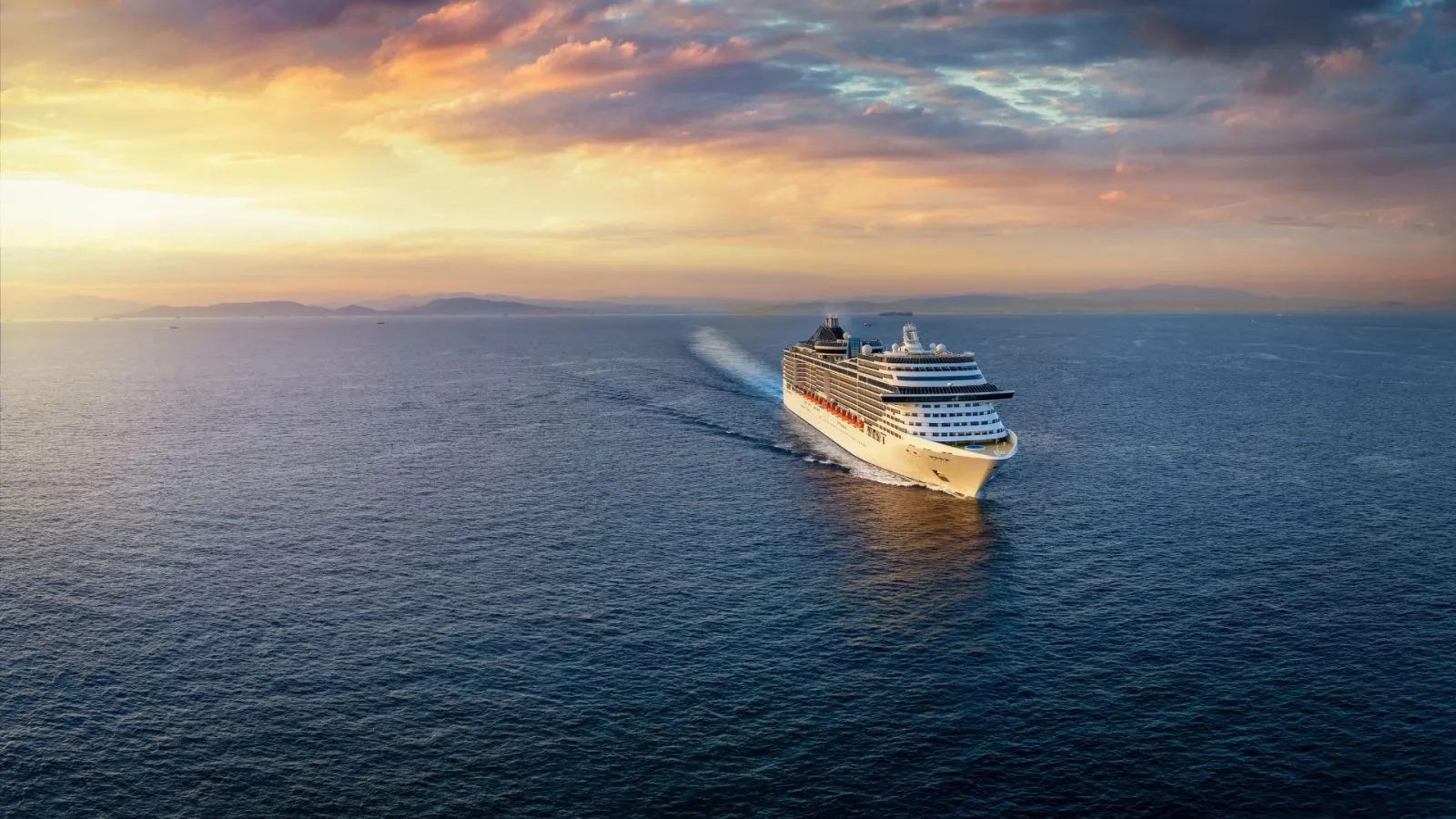
Cruise travel has evolved dramatically over the past two decades. Once criticized for its environmental impact, the cruise industry is now investing heavily in sustainability, cleaner technologies, and responsible tourism practices. Modern cruise ships are increasingly designed to reduce emissions, minimize waste, conserve energy, and protect marine ecosystems while still delivering comfortable and memorable travel experiences.
As travelers become more environmentally conscious, cruise lines are under growing pressure to adopt greener operations. Sustainable cruise travel is no longer a niche concept. It is becoming a central part of the future of ocean tourism. From advanced fuel systems to onboard recycling programs and eco-friendly excursions, modern ships are reshaping how travelers explore the world by sea.
What Is Sustainable Cruise Travel
Sustainable cruise travel refers to environmentally and socially responsible cruising practices designed to reduce negative impacts on oceans, coastal communities, and natural ecosystems.
This approach includes:
- Lower carbon emissions
- Cleaner fuel technologies
- Waste reduction
- Water conservation
- Responsible tourism
- Wildlife protection
- Support for local economies
The goal is to balance tourism growth with environmental stewardship while maintaining high-quality guest experiences.
Why Sustainability Matters in the Cruise Industry
Cruise ships operate like floating cities. They require large amounts of fuel, water, electricity, food supplies, and waste management systems. Without responsible practices, these operations can place pressure on marine ecosystems and coastal environments.
Environmental concerns associated with traditional cruising have included:
- Air pollution
- Ocean waste discharge
- High fuel consumption
- Overtourism in port cities
- Damage to coral reefs
- Noise pollution affecting marine wildlife
As awareness of climate change and environmental conservation grows, both travelers and governments are demanding cleaner and more responsible cruise operations.
Cleaner Fuel Technologies on Modern Ships
One of the biggest shifts in sustainable cruising involves fuel innovation. Cruise lines are increasingly moving away from older heavy fuel oils toward cleaner alternatives.
Liquefied Natural Gas
Liquefied natural gas, often called LNG, has become one of the most widely adopted cleaner fuel solutions in the cruise industry.
Benefits of LNG include:
- Lower sulfur emissions
- Reduced nitrogen oxide emissions
- Lower particulate pollution
- Reduced greenhouse gas emissions compared to traditional fuels
Many newly built ships now operate partially or entirely on LNG systems.
Hybrid and Electric Technologies
Some cruise operators are experimenting with hybrid propulsion systems that combine traditional engines with battery power.
These systems help reduce:
- Fuel consumption
- Air pollution in ports
- Engine noise
- Carbon emissions
Fully electric large cruise ships remain limited because of current battery technology, but smaller expedition vessels increasingly use electric propulsion for short-distance operations.
Shore Power Connections
Modern cruise ships can connect to shore-based electrical systems while docked in port. This allows ships to shut down engines instead of burning fuel to generate onboard electricity.
Benefits include:
- Improved air quality in port cities
- Lower fuel usage
- Reduced noise pollution
Ports around the world are expanding shore power infrastructure to support cleaner maritime operations.
Waste Management and Recycling Systems
Modern cruise ships now use advanced waste management technologies designed to reduce pollution and improve environmental protection.
Recycling Programs
Many ships separate and recycle:
- Glass
- Aluminum
- Plastic
- Paper
- Food waste
Crew members receive specialized training to manage waste responsibly throughout voyages.
Advanced Wastewater Treatment
Modern wastewater systems treat sewage and gray water before discharge, helping reduce ocean contamination.
These systems often include:
- Filtration technology
- Biological treatment
- Water purification processes
Stricter international regulations have pushed cruise companies to improve water treatment standards significantly.
Food Waste Reduction
Cruise lines are increasingly using technology to track food consumption and reduce unnecessary waste.
Common practices include:
- Smaller buffet portions
- Smart inventory systems
- Composting
- Donation partnerships where possible
Reducing food waste not only benefits the environment but also lowers operational costs.
Energy Efficiency on Modern Cruise Ships
Energy conservation has become a major priority in ship design and operations.
Efficient Ship Design
Modern cruise ships use advanced engineering to improve fuel efficiency.
Examples include:
- Streamlined hull designs
- Air lubrication systems
- Lightweight construction materials
- Optimized propulsion systems
Improved ship designs reduce resistance in the water, helping vessels consume less fuel.
Smart Energy Systems
Automated systems monitor and manage onboard energy use in real time.
These systems control:
- Lighting
- Air conditioning
- Heating
- Water usage
- Electrical consumption
Energy-efficient LED lighting has also become standard across many cruise fleets.
Sustainable Dining and Sourcing
Cruise lines are placing greater emphasis on sustainable food sourcing and environmentally responsible dining practices.
Responsible Seafood Programs
Many companies now avoid seafood sourced through destructive fishing practices.
Some ships prioritize:
- Certified sustainable seafood
- Local sourcing
- Seasonal ingredients
- Reduced overfished species
Plant-Based Dining Options
Growing demand for plant-based meals has encouraged cruise lines to expand vegetarian and vegan menu offerings.
Plant-focused dining can help reduce the environmental impact associated with food production.
Reducing Single-Use Plastics
Many ships have eliminated or reduced:
- Plastic straws
- Disposable water bottles
- Plastic utensils
- Single-use condiment packaging
Reusable and biodegradable alternatives are becoming more common onboard.
Protecting Marine Ecosystems
Cruise operators increasingly recognize the importance of protecting oceans and marine wildlife.
Responsible Wildlife Tourism
Sustainable cruise excursions often focus on ethical wildlife viewing practices.
Guidelines may include:
- Maintaining safe distances from animals
- Avoiding habitat disruption
- Limiting passenger group sizes
- Supporting marine conservation programs
Coral Reef Protection
Cruise lines working in tropical regions are adopting measures to reduce reef damage.
These may include:
- Eco-friendly anchoring systems
- Passenger education programs
- Partnerships with marine researchers
Healthy reefs are essential for biodiversity and coastal protection.
Sustainable Shore Excursions
Cruise sustainability extends beyond the ship itself. Responsible shore tourism has become a growing focus within the industry.
Community-Based Tourism
Some cruise lines partner with local businesses and guides to support regional economies more directly.
Benefits include:
- Economic support for communities
- Cultural preservation
- Smaller environmental footprints
- More authentic traveler experiences
Eco-Friendly Activities
Sustainable excursions may include:
- Guided nature hikes
- Wildlife conservation tours
- Kayaking
- Cycling tours
- Educational cultural experiences
These activities generally create less environmental impact than large-scale motorized tourism.
Challenges Facing Sustainable Cruising
Despite progress, the cruise industry still faces significant environmental challenges.
High Energy Demands
Cruise ships remain energy-intensive operations because they support:
- Hotels
- Restaurants
- Entertainment venues
- Pools
- Water treatment systems
Even with cleaner technologies, large ships consume considerable resources.
Overtourism
Popular cruise destinations sometimes struggle with:
- Crowded ports
- Infrastructure strain
- Environmental degradation
- Increased waste production
Managing tourism growth responsibly remains an ongoing issue.
Greenwashing Concerns
Some critics argue that certain sustainability claims may exaggerate environmental benefits. Travelers increasingly research cruise companies carefully to evaluate genuine commitments to sustainability.
How Travelers Can Cruise More Responsibly
Passengers also play an important role in sustainable travel.
Ways Travelers Can Reduce Their Impact
- Choose cruise lines with strong environmental policies
- Avoid wasting food
- Use reusable water bottles
- Participate in eco-friendly excursions
- Respect wildlife and local cultures
- Reduce energy and water use onboard
Responsible passenger behavior supports broader sustainability efforts across the industry.
The Future of Sustainable Cruise Travel
Technological innovation continues to shape the future of environmentally responsible cruising.
Emerging developments may include:
- Hydrogen-powered ships
- Advanced battery systems
- Carbon-neutral fuels
- Artificial intelligence for energy optimization
- Improved waste recovery systems
Environmental regulations are also becoming stricter, encouraging faster adoption of cleaner technologies.
As sustainability becomes increasingly important to consumers, cruise companies that prioritize environmental responsibility will likely gain stronger traveler trust and loyalty.
Why Sustainable Cruising Appeals to Modern Travelers
Today’s travelers often want vacations that align with their personal values. Many people seek experiences that combine comfort and exploration with environmental awareness.
Sustainable cruising allows travelers to:
- Explore multiple destinations efficiently
- Support conservation initiatives
- Reduce travel-related guilt
- Participate in responsible tourism
- Learn more about marine ecosystems
For environmentally conscious travelers, sustainability has become a key factor in vacation planning.
Conclusion
Sustainable cruise travel represents a major transformation within the global tourism industry. Modern ships are becoming cleaner, smarter, and more environmentally responsible through advanced fuel systems, improved waste management, energy-efficient technologies, and stronger conservation practices.
Although challenges remain, the industry is making meaningful progress toward reducing its environmental footprint while still delivering exceptional travel experiences. From cleaner fuels and shore power systems to sustainable dining and eco-friendly excursions, modern cruise ships are redefining what responsible ocean travel can look like.
As travelers continue to prioritize sustainability, the future of cruising will likely depend on innovation, accountability, and a long-term commitment to protecting the oceans and communities that make cruise travel possible.
FAQs
1. Are modern cruise ships more environmentally friendly than older ships?
Yes. Many modern ships use cleaner fuel technologies, advanced waste systems, and energy-efficient designs that significantly reduce environmental impact compared to older vessels.
2. What is LNG in cruise travel?
LNG stands for liquefied natural gas, a cleaner-burning fuel that helps reduce harmful emissions from cruise ships.
3. Can cruise ships recycle waste onboard?
Yes. Many modern cruise ships have extensive recycling and waste processing systems for materials such as glass, aluminum, paper, and food waste.
4. How do cruise lines reduce ocean pollution?
Cruise companies use advanced wastewater treatment systems, cleaner fuels, stricter waste management practices, and environmental monitoring programs.
5. Are sustainable cruises more expensive?
Some eco-focused cruises may cost more because of advanced technologies and smaller passenger capacities, but prices vary depending on the cruise line and itinerary.
6. What are shore power connections?
Shore power allows ships to connect to local electrical grids while docked, reducing the need to burn fuel in port.
7. How can passengers support sustainable cruising?
Travelers can reduce waste, choose responsible excursions, conserve water and energy onboard, and support cruise lines with strong environmental policies.