


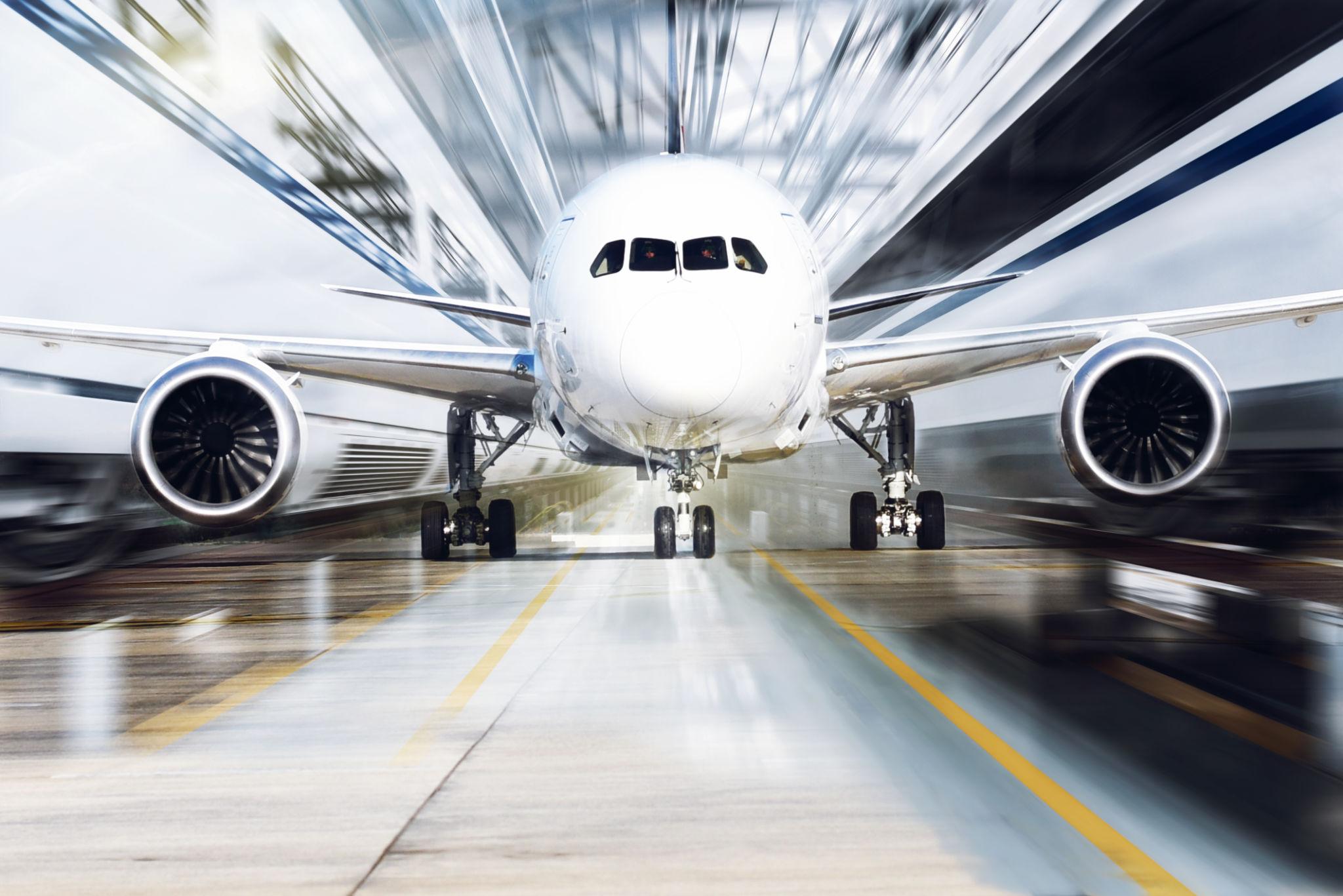
Air travel has transformed dramatically over the past several decades. What was once considered a luxury reserved for a small percentage of travelers has become an essential part of global transportation. As passenger expectations continue to evolve, airlines are investing heavily in technology, sustainability, efficiency, and customer experience improvements that are reshaping the future of flying.
Modern airline innovations go far beyond faster aircraft or upgraded seating. Artificial intelligence, biometric security systems, sustainable fuel development, advanced cabin designs, and digital passenger services are changing nearly every stage of the travel experience. These innovations aim to improve convenience, reduce environmental impact, enhance safety, and create more personalized journeys for passengers around the world.
The aviation industry now faces increasing pressure to balance technological advancement with affordability, operational efficiency, and sustainability. As a result, airlines are entering one of the most transformative periods in aviation history.
The Rapid Evolution of Modern Air Travel
Air travel innovation is accelerating because of several major factors:
- Growing global passenger demand
- Environmental concerns
- Competition among airlines
- Advances in digital technology
- Increased customer expectations
- Airport modernization
Travelers today expect smoother booking systems, faster airport processing, more comfortable cabins, and better in-flight connectivity. Airlines are responding with technologies designed to improve both operational performance and passenger satisfaction.
Biometric Technology at Airports
One of the most visible changes in modern aviation is the rise of biometric identification systems.
Facial Recognition Systems
Many airports and airlines now use facial recognition technology for:
- Check-in
- Security screening
- Boarding
- Immigration processing
Biometric systems help reduce wait times and improve passenger flow through busy terminals.
Instead of repeatedly showing passports and boarding passes, travelers can move through checkpoints using facial scans linked to their travel information.
Contactless Travel Experiences
The demand for touch-free travel increased significantly in recent years. Airlines and airports have expanded:
- Mobile boarding passes
- Self-service kiosks
- Automated baggage drops
- Digital identity verification
These technologies improve efficiency while reducing physical contact during travel.
Artificial Intelligence in Aviation
Artificial intelligence is becoming a critical tool across the airline industry.
Personalized Customer Service
AI systems help airlines provide customized experiences by analyzing traveler preferences and behavior.
Passengers may receive:
- Personalized travel offers
- Seat recommendations
- Upgrade opportunities
- Real-time travel notifications
AI-powered chatbots also assist customers with booking changes, baggage information, and flight updates.
Predictive Maintenance
Airlines now use AI to monitor aircraft systems and predict maintenance needs before mechanical problems occur.
Benefits include:
- Improved safety
- Reduced delays
- Lower operational costs
- Better aircraft reliability
Predictive maintenance allows airlines to address issues proactively rather than reacting after failures happen.
Flight Optimization
Artificial intelligence helps optimize:
- Flight routes
- Fuel consumption
- Weather navigation
- Air traffic coordination
These systems improve efficiency while reducing environmental impact.
Sustainable Aviation Innovations
Environmental sustainability has become one of the aviation industry’s biggest priorities.
Sustainable Aviation Fuel
Sustainable aviation fuel, often called SAF, is designed to reduce carbon emissions compared to traditional jet fuel.
SAF can be produced from:
- Agricultural waste
- Used cooking oil
- Biomass
- Alternative renewable materials
Although widespread adoption remains expensive and limited, many airlines are increasing investments in SAF programs.
Electric and Hybrid Aircraft
Several aviation companies are developing electric and hybrid aircraft technologies.
Potential benefits include:
- Lower emissions
- Reduced fuel costs
- Quieter flights
- Improved energy efficiency
Current electric aircraft remain limited to smaller regional operations, but long-term development continues rapidly.
Lightweight Aircraft Materials
Modern aircraft increasingly use lightweight composite materials that improve fuel efficiency.
Benefits include:
- Reduced aircraft weight
- Lower fuel consumption
- Improved durability
- Better aerodynamic performance
These innovations contribute to both environmental sustainability and lower operational costs.
Smarter Aircraft Cabin Designs
Passenger comfort has become a major area of innovation.
Improved Seating Technology
Modern airline seats are designed to maximize both comfort and space efficiency.
Innovations include:
- Ergonomic support
- Adjustable headrests
- Improved legroom design
- Lightweight seat construction
- Enhanced lumbar support
Some airlines are also experimenting with modular cabin layouts that allow greater flexibility.
Better Cabin Air Systems
Advanced filtration systems now improve cabin air quality significantly.
Modern aircraft often use:
- HEPA filtration systems
- Improved airflow circulation
- Humidity management systems
These technologies help reduce airborne contaminants and improve passenger comfort during long flights.
Mood Lighting and Cabin Ambiance
Airlines increasingly use programmable LED lighting systems to:
- Reduce jet lag
- Improve sleep patterns
- Create relaxing cabin environments
Lighting adjustments simulate natural daylight cycles during long-haul flights.
In-Flight Connectivity and Entertainment
Passengers now expect internet access and digital entertainment during flights.
High-Speed In-Flight Wi-Fi
Modern satellite technology allows airlines to provide faster onboard internet service than ever before.
Passengers can:
- Stream content
- Attend virtual meetings
- Send messages
- Browse the internet
Reliable connectivity has become especially important for business travelers.
Personalized Entertainment Systems
In-flight entertainment systems continue to evolve with:
- Larger touchscreens
- Streaming integration
- Personalized content recommendations
- Bluetooth headphone support
Some airlines even allow travelers to connect personal devices directly to seatback systems.
Digital Booking and Travel Management
Airline apps and digital platforms now manage nearly every part of the travel experience.
Mobile Travel Apps
Passengers can use airline apps for:
- Booking flights
- Mobile check-in
- Boarding passes
- Flight tracking
- Baggage updates
- Real-time notifications
Digital convenience has become central to modern travel expectations.
Dynamic Pricing Technology
Airlines use advanced algorithms to adjust fares based on:
- Demand
- Booking timing
- Route popularity
- Seasonal travel patterns
While this helps airlines maximize revenue, it also creates more flexible pricing opportunities for travelers.
Innovations in Airport Operations
Airlines are working closely with airports to improve efficiency and reduce congestion.
Automated Baggage Handling
Smart baggage systems use tracking technology to improve luggage management.
Benefits include:
- Reduced lost baggage
- Faster processing
- Real-time tracking updates
Some airlines now allow passengers to track baggage directly through mobile apps.
Smart Security Screening
Advanced scanning systems improve airport security while reducing delays.
Innovations include:
- Automated screening lanes
- AI-assisted threat detection
- Faster baggage scanning
- Contactless identity verification
These systems help airports process growing passenger volumes more efficiently.
The Rise of Premium Economy Travel
Airlines have expanded seating categories to meet changing traveler preferences.
Premium economy cabins offer:
- More legroom
- Better meals
- Priority boarding
- Enhanced recline
- Improved amenities
This category has become increasingly popular among travelers seeking comfort without the cost of business class.
Supersonic Travel Returning
Several aerospace companies are developing next-generation supersonic passenger aircraft.
Potential advantages include:
- Dramatically shorter travel times
- Faster international business travel
- Reduced long-haul fatigue
Future supersonic aircraft aim to improve fuel efficiency and reduce noise compared to earlier generations like the Concorde.
Although commercial deployment remains years away, interest in faster global travel continues to grow.
Accessibility Innovations for Travelers
Airlines are improving accessibility for passengers with disabilities and mobility challenges.
Recent improvements include:
- Better wheelchair assistance
- More accessible cabin layouts
- Improved communication tools
- Enhanced boarding procedures
Technology also helps travelers with visual or hearing impairments navigate airports and flights more independently.
Health and Wellness Innovations
Passenger well-being is receiving greater attention within the aviation industry.
Health-Focused Cabin Features
Modern aircraft may include:
- Improved humidity control
- Reduced cabin pressure effects
- Better noise insulation
- Advanced filtration systems
These features help reduce travel fatigue and discomfort.
Wellness-Oriented Services
Some airlines now offer:
- Healthier meal options
- Stretching programs
- Sleep kits
- Guided meditation content
Long-haul travel is increasingly designed around passenger wellness.
Challenges Facing Airline Innovation
Despite major advancements, airlines still face important challenges.
High Development Costs
New technologies require significant investment in:
- Aircraft development
- Infrastructure
- Training
- Regulatory compliance
These costs can slow adoption across the industry.
Cybersecurity Risks
As airlines rely more heavily on digital systems, cybersecurity becomes increasingly important.
Potential concerns include:
- Data protection
- System hacking
- Passenger privacy
- Operational disruptions
Airlines must continuously strengthen digital security measures.
Environmental Pressure
Although aviation technology is improving, the industry still faces pressure to reduce overall carbon emissions while global travel demand continues growing.
Balancing expansion with sustainability remains a difficult challenge.
The Future of Air Travel
Air travel will likely continue evolving rapidly over the coming decades.
Future possibilities may include:
- Autonomous aircraft systems
- Hydrogen-powered planes
- Fully biometric airports
- AI-controlled air traffic management
- Personalized cabin environments
- Faster global travel networks
Passenger expectations will continue shaping how airlines invest in technology and services.
Why Innovation Matters to Travelers
Airline innovation directly affects the traveler experience in meaningful ways.
Benefits include:
- Faster airport processing
- Improved comfort
- Better safety
- Greater convenience
- Enhanced sustainability
- More reliable operations
Travelers today expect seamless, connected, and personalized journeys, and airlines are adapting accordingly.
Conclusion
Airline innovations are transforming nearly every aspect of modern air travel. From biometric security systems and artificial intelligence to sustainable fuel development and advanced cabin designs, the aviation industry is embracing technologies that improve efficiency, safety, comfort, and environmental responsibility.
As airlines continue investing in smarter systems and cleaner technologies, the future of flying will likely become more personalized, connected, and sustainable than ever before. While challenges such as environmental impact and rising operational costs remain significant, innovation continues driving the industry forward.
For travelers, these advancements promise faster airport experiences, more comfortable flights, better digital services, and increasingly responsible travel options. The next generation of air travel is already taking shape, and its impact will continue changing how people experience the world.
FAQs
1. What is sustainable aviation fuel?
Sustainable aviation fuel is an alternative jet fuel made from renewable or waste-based materials designed to reduce carbon emissions.
2. How does biometric boarding work?
Biometric boarding uses facial recognition technology to verify passenger identities during airport processing and boarding.
3. Are electric airplanes already in use?
Small electric aircraft are being tested and used for limited regional operations, but large commercial electric planes are still under development.
4. Why are airlines investing in artificial intelligence?
AI helps airlines improve customer service, optimize flight operations, predict maintenance issues, and reduce delays.
5. What is premium economy seating?
Premium economy offers more comfort and amenities than standard economy while remaining more affordable than business class.
6. How does modern cabin air filtration improve travel?
Advanced filtration systems help remove airborne particles and improve overall air quality inside aircraft cabins.
7. Will supersonic passenger flights return in the future?
Several companies are developing new supersonic aircraft, and future commercial operations may significantly reduce long-distance travel times.