


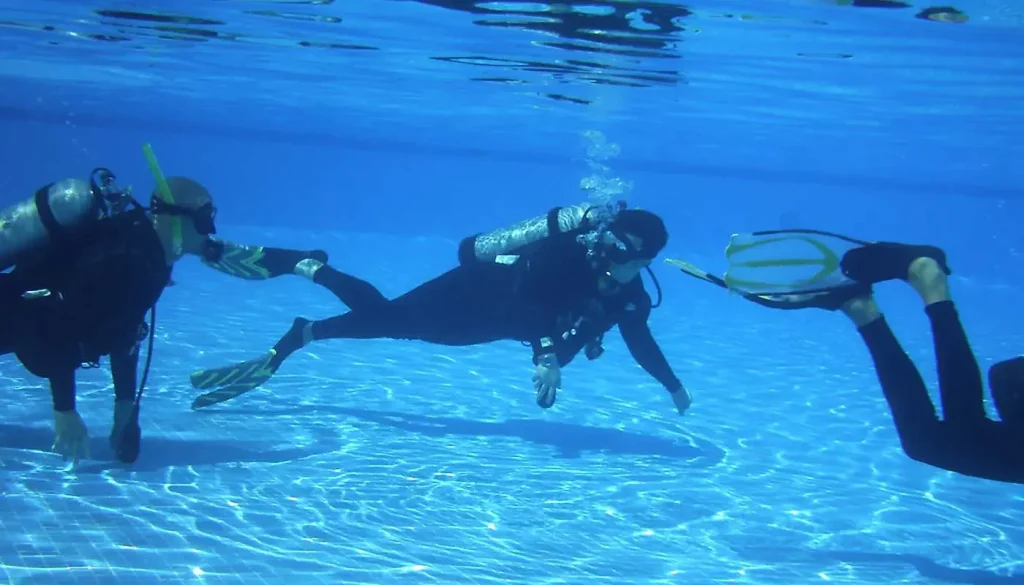
Scuba diving is a thrilling and adventurous activity, but for those seeking to go beyond the standard recreational dives, there exists a more challenging and technical aspect of the sport: technical diving. While traditional scuba diving allows enthusiasts to explore the underwater world, technical diving involves a higher level of skill, knowledge, and preparation. It pushes divers to explore deeper, more dangerous environments, often involving specialized equipment and techniques. In this article, we’ll delve into what technical diving is, its key components, and how you can embark on these advanced underwater adventures.
1. Defining Technical Diving
At its core, technical diving goes beyond the limits of recreational diving, which is typically restricted to a maximum depth of 130 feet (40 meters) and the use of air as the primary breathing gas. Technical diving allows divers to venture into deeper waters, explore cave systems, or even penetrate wrecks, all while utilizing a variety of specialized equipment, gas mixtures, and procedures to ensure safety. Unlike recreational diving, which focuses on short, controlled dives, technical diving can involve longer dive times, greater depths, and the use of mixed gases such as nitrox, trimix, or helium. This type of diving is designed for those with the necessary skills, training, and a willingness to face more complex underwater challenges.
2. Key Aspects of Technical Diving
Technical diving involves several key components that set it apart from recreational diving:
- Depth: One of the most distinguishing features of technical diving is the ability to dive deeper than standard recreational limits. While recreational divers are typically limited to a depth of 130 feet (40 meters), technical divers can explore depths that exceed 300 feet (90 meters) in some cases. This requires advanced training in pressure management and gas handling.
- Gas Mixtures: In recreational diving, air is the most commonly used breathing gas. However, in technical diving, divers use specialized gas mixtures designed to optimize performance at greater depths. Nitrox (a mixture of nitrogen and oxygen) is commonly used to extend bottom time and reduce the risk of nitrogen narcosis. Trimix, a blend of oxygen, nitrogen, and helium, is used for deeper dives to reduce narcosis and oxygen toxicity. The use of these gases requires careful planning and understanding of their effects on the body.
- Decompression: One of the most critical elements of technical diving is decompression. After a dive, divers need to ascend slowly to allow the body to safely release absorbed gases, especially nitrogen. Technical diving often involves extended decompression stops, especially when diving at greater depths or using more complex gas mixtures. Divers must monitor their dive times and ascent profiles to avoid decompression sickness, which can result in severe injury or even death.
- Equipment: Technical divers rely on more specialized and robust equipment compared to recreational divers. This includes redundant dive computers, multiple gas tanks, advanced buoyancy control devices (BCDs), and often underwater communication systems. The added complexity of technical diving equipment is necessary for both safety and efficiency during these more demanding dives.
3. Types of Technical Diving
Technical diving encompasses several distinct disciplines, each with its own set of skills and challenges. Some of the most popular types include:
- Cave Diving: Cave diving is one of the most challenging forms of technical diving. It involves navigating underwater caves, which often present reduced visibility, confined spaces, and unpredictable conditions. Cave divers must be highly skilled in using guidelines to navigate, managing gas supplies, and performing complex emergency procedures. This form of diving also requires knowledge of cave systems and proper equipment, including lights and helmets.
- Wreck Diving: Wreck diving involves exploring sunken ships, aircraft, or other structures. These dives can be deep and complex, requiring technical divers to explore the interior of wrecks, which may be hazardous due to debris, entanglements, or shifting structures. Wreck divers often use mixed gases to extend their dive times and reduce narcosis, allowing them to explore deeper and more intricate wrecks.
- Deep Diving: Deep diving, as the name suggests, involves exploring depths greater than those allowed in recreational diving. While recreational divers are limited to 130 feet (40 meters), technical divers can explore depths that exceed 300 feet (90 meters). Deep diving presents increased risks due to the higher pressure and the potential for gas narcosis and oxygen toxicity. Technical divers must use specialized gas mixtures and follow strict protocols to ensure their safety at extreme depths.
- Technical Cave Diving: This discipline combines the complexity of cave diving with deep diving techniques. Technical cave divers explore underwater cave systems that require specialized equipment and dive plans, as these environments often involve limited entry and exit points, requiring precise navigation and careful gas management.
4. Training and Certification
To embark on a career in technical diving, divers must undergo extensive training. Unlike recreational diving, where certification is relatively accessible, technical diving requires advanced courses and certifications from organizations like the Professional Association of Diving Instructors (PADI), the Scuba Schools International (SSI), or the Technical Diving International (TDI).
Training in technical diving includes mastering various skills, such as:
- Understanding and using different gas mixtures (nitrox, trimix, etc.).
- Learning decompression procedures and how to manage the risks associated with extended dives.
- Practicing advanced buoyancy control techniques, which are essential in deep or confined spaces.
- Performing emergency procedures, including handling gas switches, managing gas supplies, and assisting other divers in distress.
Technical diving training typically involves both theoretical coursework and practical, in-water experience. Upon successful completion, divers receive certifications that indicate their level of expertise in various technical diving disciplines.
5. Risks and Safety Considerations
Technical diving, while exhilarating and rewarding, is not without its risks. The deeper depths and specialized equipment used in technical diving increase the potential for dangerous situations. These risks include:
- Decompression Sickness (DCS): Also known as “the bends,” DCS occurs when divers ascend too quickly after spending extended periods at depth. This leads to nitrogen bubbles forming in the body, causing pain, paralysis, or even death. Decompression procedures and careful dive planning are essential to mitigate this risk.
- Oxygen Toxicity: When diving with gas mixtures containing higher levels of oxygen, such as those used in deep dives, there is a risk of oxygen toxicity, which can lead to seizures or respiratory issues. Technical divers must monitor oxygen levels and depth to avoid exposure to toxic levels of oxygen.
- Gas Narcosis: At greater depths, the increased pressure affects the body’s ability to process gases, leading to narcosis, a state of altered consciousness often referred to as “the rapture of the deep.” This can impair a diver’s judgment and coordination, making it essential to use specialized gas mixtures and ascend slowly.
To minimize these risks, divers must plan their dives meticulously, monitor their equipment, and follow all safety protocols. Diving with a buddy and maintaining a calm, controlled approach are critical to ensuring safety during technical dives.
6. Is Technical Diving Right for You?
Technical diving is not for everyone. It demands a high level of fitness, mental discipline, and the ability to manage complex situations under pressure. However, for those who have a passion for exploring the unknown and seeking the ultimate adventure, technical diving offers an unparalleled experience. The rewards of diving in unexplored cave systems, exploring deep wrecks, or venturing into the deepest parts of the ocean are immense, offering a sense of accomplishment and a deeper connection to the underwater world.
Whether you are already a skilled recreational diver looking to push your limits or someone fascinated by the prospect of advanced underwater exploration, technical diving provides the tools and techniques necessary to safely enjoy these extraordinary adventures. With the right training, equipment, and mindset, technical diving can open doors to some of the most awe-inspiring and unexplored environments on Earth.