


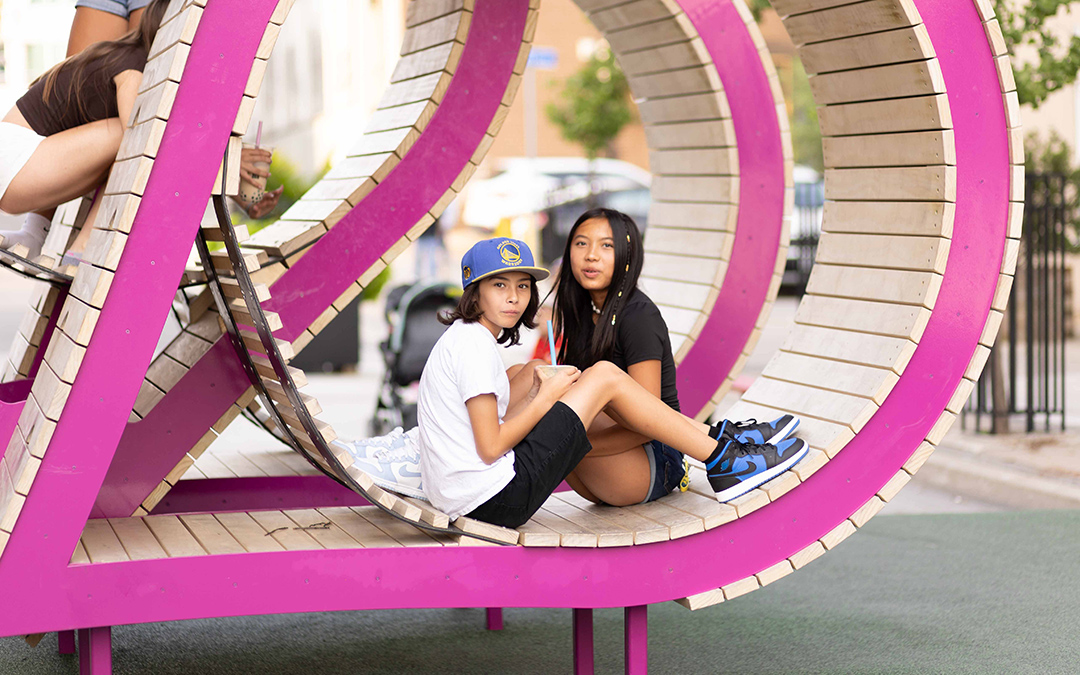
Public areas that draw people in and encourage them to stay have certain qualities in common. A well designed community space feels welcoming and comfortable. It invites conversation, creativity, and connection. Small details such as seating arrangements, lighting, and accessibility can transform an ordinary place into a favourite hangout.
Flexible seating allows visitors to move chairs and tables to suit different group sizes. Some may sit alone to read, while others gather for lively discussions. Having options such as benches, lounge chairs, or cushions gives people choices.
Greenery and art also improve public places. Plants and trees soften hard surfaces and improve air quality. Murals or sculptures add visual interest and can become conversation starters. Lighting plays a role too, gentle illumination creates a safe and inviting atmosphere after dark.
Design elements that encourage community interaction
- Movable furniture that accommodates groups and individuals.
- Shade and shelter to protect from sun and rain.
- Green spaces that bring natural elements into urban areas.
- Artistic features that reflect local identity.
- Accessible paths and amenities for people of all ages and abilities.
When planners consider these details, they create spaces that locals feel connected to. A thriving community hub grows out of design
Programming is central to creating lively shared public places. Regular events such as markets, live performances, or fitness classes draw residents back and encourage diverse groups to mingle. Organising workshops led by local experts fosters skills sharing and social interaction.
Maintenance and cleanliness influence how comfortable people feel when using public areas. Providing bins, restrooms, and clearly marked pathways ensures that visitors can enjoy the space without worrying about hygiene or safety. Well maintained areas invite return visits and respect.
Inclusive design acknowledges the needs of different age groups and abilities. Adding ramps, tactile paving, and seating at varying heights makes areas accessible to everyone. Including play areas for children and quiet corners for reading or contemplation caters to varied preferences.
Community involvement in planning and upkeep leads to a stronger sense of ownership. When residents participate in decision making and volunteer for upkeep tasks, they feel more connected to the space. This investment results in better care and a more vibrant atmosphere.
Securing funding and partnerships with local businesses or organisations can help sustain public areas and expand their offerings. Collaborations often bring fresh ideas and resources that keep shared spaces vibrant and responsive to evolving needs.
Over time, gathering places evolve to reflect the people who use them, adapting to new interests and needs. This organic growth keeps hubs relevant and ensures that they continue to serve residents effectively. These spaces adapt as neighbourhoods grow and new needs emerge. Over decades, they remain central to community life.choices that put people first.