


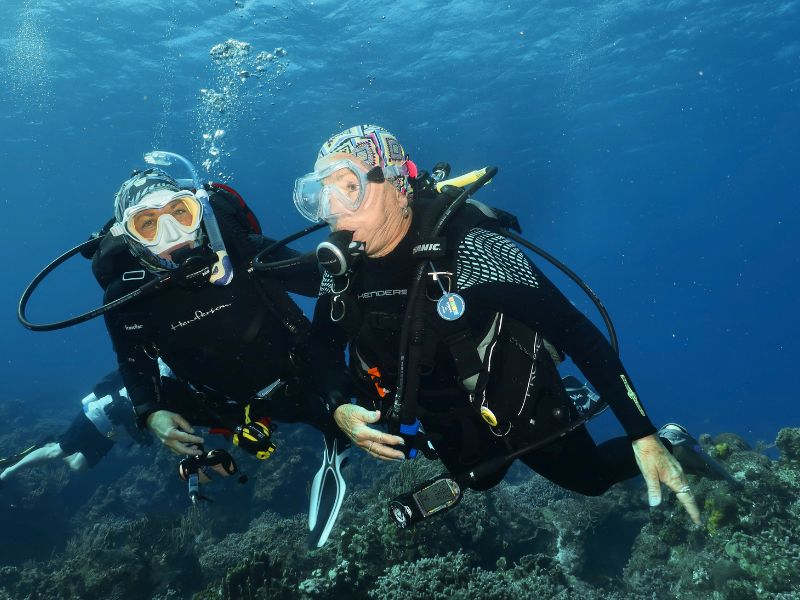
Seniors do not need to chase extreme thrills to find adventure. Snorkeling offers a calm, colorful way to explore the ocean at a comfortable pace, with plenty of chances to pause, float, and simply take in the view. Many seniors first consider it while traveling, but it can also become a relaxing hobby encouraged by friends, family, or even wellness programs in senior living communities.
With the right mindset, a few basic skills, and smart preparation, snorkeling can feel less like a sport and more like a gentle doorway into sea life and serenity.
Why Snorkeling Appeals to Seniors Who Want Low-Pressure Adventure
Snorkeling is uniquely suited for seniors because it allows exploration without speed, impact, or complicated technique. Seniors can stay near the surface, move slowly, and choose calm, shallow water where the experience feels safe and manageable. Unlike activities that demand constant effort, snorkeling gives seniors frequent moments of rest—floating on the surface, holding onto a flotation aid, or simply standing in waist-deep water while watching fish glide past.
Many seniors appreciate that snorkeling is self-paced, meaning a short session can feel just as rewarding as a longer one. It is also surprisingly peaceful, because breathing through a snorkel encourages a steady rhythm, and the ocean’s quiet can feel like a reset for the mind.
Preparing Smart: Comfort, Safety, and Confidence in the Water
Preparation makes snorkeling more enjoyable for seniors, especially those returning to the water after many years. Seniors benefit from choosing a well-fitting mask that seals comfortably and a snorkel that feels easy to breathe through, then practicing in a pool or calm shoreline before heading farther out. Many seniors also feel more confident using a flotation vest, a noodle, or a kickboard, since buoyancy reduces strain and keeps the body relaxed.
Sun protection matters as much as equipment, because seniors may spend longer floating under open sky, so a rash guard, reef-safe sunscreen, and a hat for breaks on shore can prevent discomfort later. Seniors should also snorkel with a buddy, choose guided outings when possible, and pay attention to currents, waves, and fatigue so the experience stays enjoyable from start to finish.
What Seniors Might See Underwater and Why It Feels So Restorative
One of the best parts of snorkeling for seniors is the immediate reward: colorful fish, coral gardens, sea grass beds, and the occasional sea turtle moving with effortless grace. Seniors often find that watching marine life encourages patience and presence, because there is no need to rush—there is only the slow reveal of what lives below.
The underwater world can feel like a moving painting, full of shifting light and gentle motion, and many seniors describe it as calming in a way that is hard to replicate on land. Even simple sightings, like tiny striped fish weaving through rocks, can create real joy because the experience feels intimate and surprising. For seniors who enjoy photography, snorkeling also offers a reason to focus on small, beautiful details, turning a quiet swim into a memorable story.
Making Snorkeling a Sustainable Hobby for Seniors Over Time
Seniors who want snorkeling to become a repeat activity can build a routine that prioritizes comfort and consistency. Starting with shorter sessions helps seniors learn what pace feels best, while regular practice improves breathing control and reduces tension in the water. Seniors can also choose destinations designed for ease, such as beaches with gentle entry points, clear water, and nearby facilities for breaks.
Over time, many seniors enjoy upgrading small items—better fins for less effort, anti-fog solutions for clearer vision, or lightweight gear that travels easily. The key for seniors is to treat snorkeling as a long-term pleasure rather than a one-time challenge, keeping expectations flexible and allowing the ocean to be a place of calm discovery instead of pressure.
Conclusion
Seniors can find something special in snorkeling because it blends movement, relaxation, and wonder into one gentle experience. With thoughtful preparation, safe choices, and a steady pace, seniors can explore sea life without feeling rushed or overwhelmed.
Snorkeling later in life can become more than a vacation activity—it can be a soothing way for seniors to reconnect with nature, build confidence in the water, and enjoy moments of real serenity beneath the surface.