


Bangkok rewards busy days, but that pace can quickly catch up with the body. After walking through temples, travelling across the city or spending hours in markets and restaurants, a Thai massage in Bangkok helps turn a full itinerary into something more balanced, giving tired muscles and busy minds a proper chance to settle.
Why Bangkok Makes Rest Feel Necessary
A typical day in Bangkok can involve a lot of movement. Visitors may travel between temples, shopping centres, food markets, river piers and rooftop restaurants, often in warm, humid conditions. Residents and business travellers face their own version of the same pace, moving between work, transport, meetings and social plans.
That steady activity can leave the body feeling tighter than expected. Legs may feel heavy after walking, shoulders may hold tension from travel or desk work, and the mind can stay busy long after the day’s plans are finished. A massage gives that tension a clear place to settle, rather than letting it build quietly in the background.
What Makes Thai Massage Distinctive
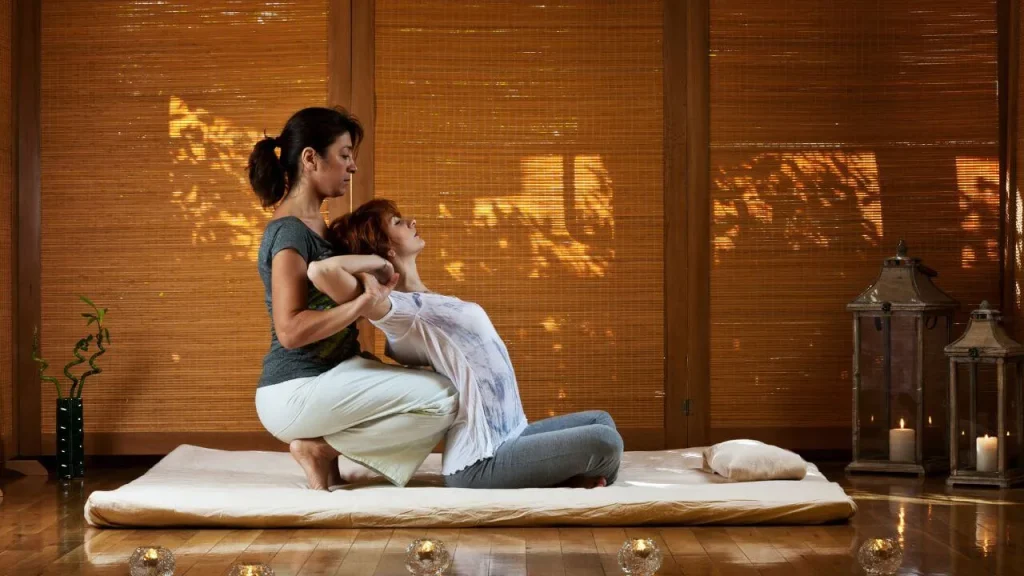
Thai massage is different from many oil-based spa treatments. It often combines pressure, assisted stretching and rhythmic movements designed to help the body feel more mobile. Rather than focusing only on relaxation, it can create a sense of looseness and physical reset, especially for people who feel stiff or compressed after travel.
Its cultural roots also make it feel closely connected to place. Traditional Thai massage, known as Nuad Thai, is recognised by UNESCO as intangible cultural heritage, reflecting its importance as a practice passed through generations. Experiencing it in Bangkok can therefore feel like more than a standard spa appointment; it can be part of understanding Thailand’s wider approach to care, movement and wellbeing.

Choosing The Right Style And Pressure
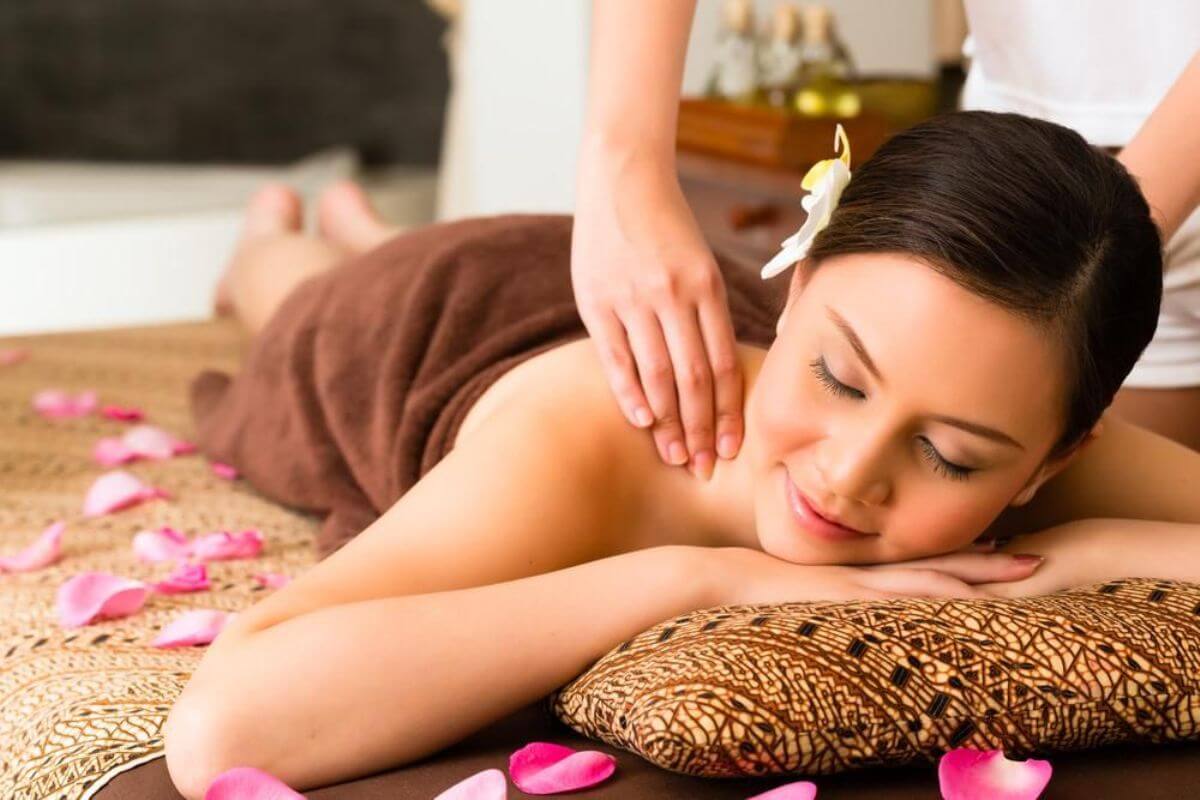
Not every Thai massage feels the same. Some treatments may be firm and energising, while others may be slower and more relaxing. The right choice depends on your body, your comfort level and what you want from the session.
If you are new to Thai massage, it is sensible to explain this before the treatment begins. You can ask for lighter pressure, mention areas of stiffness or request that certain movements are avoided. A professional therapist should be able to adapt the session so it feels useful rather than overwhelming.
When To Book A Massage
Timing can shape the experience. A massage near the start of a trip can help ease travel stiffness and make the first few days feel more comfortable. This is useful after a long flight, especially if your back, neck or legs feel tight from sitting.
A mid-trip treatment can work well after several active days. If you have been walking through markets, visiting cultural sites or spending long periods in taxis and trains, your body may benefit from a reset. Some people prefer a massage near the end of their stay, using it as a final moment of calm before travelling home.
Making The Experience More Enjoyable
A massage is best enjoyed when it is not rushed. Arrive with enough time to settle, and avoid booking something demanding immediately afterwards. Drinking water, taking a quiet walk or allowing time for a relaxed meal can help extend the benefit.
It is also worth listening to your body during the treatment. Thai massage can involve firm pressure and stretching, but it should not make you tense or uncomfortable. If something feels too strong, speaking up is normal and helpful.
A well-chosen massage can make a Bangkok visit feel more balanced. It gives the body time to recover, adds a meaningful cultural experience and helps you return to the city’s energy feeling clearer, lighter and more comfortable.