


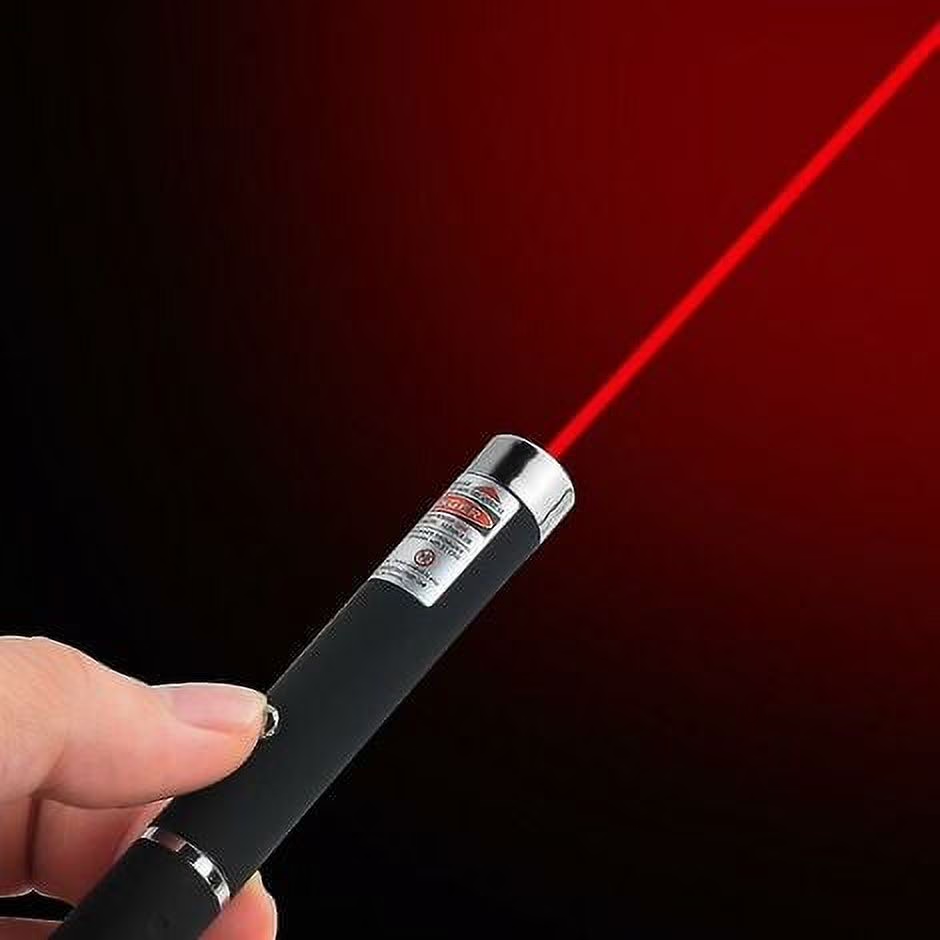
A pocket-sized laser pointer bought from a market stall on holiday is one of the easiest ways to walk into a hospital eye clinic weeks later. The packaging says novelty and the price says novelty, but the device inside is anything but.
A focused beam does not care what the box called it, and the retinal damage one of these can cause may be permanent after a single accidental flash. Travelers keep buying them because almost everything the box, the price tag, and common sense suggest about them is wrong.
The risks are well documented in case reports, emergency rooms, and the training materials used by laser safety professionals. Understanding what makes these devices dangerous, from misleading power labels to unexpected reflections, can help travelers recognize the hazards before bringing one home.
Why Laser Pointer Power Labels Can Be Misleading
The number printed on a cheap imported pointer is closer to decoration than specification. A pointer sold as ‘under 5 mW’ can easily be ten or twenty times that in practice.
That matters because 5 milliwatts is the ceiling for a reason. Below it, your blink reflex has a fighting chance. Above it, the beam can burn retinal tissue faster than you can look away.
How Brief Laser Exposure Can Cause Permanent Eye Damage
Retinal injury from a handheld laser does not need a long exposure. A fraction of a second is enough at the power levels these imports actually deliver, and the damage pattern is predictable: a central or paracentral blind spot that does not fill back in.
Clinical reviews have documented permanent vision loss from pointers bought casually online or overseas, often in children with no idea what they were holding.
Adults get hurt too. The reflex that saves you from staring at the sun does not trigger reliably against a narrow coherent beam, especially an invisible or near-visible wavelength.
Reflected Beams Put Bystanders at Risk, Too
A laser beam does not stop at the person it is aimed at. It reflects off glass, mirrors, polished metal, and water, and it keeps traveling for hundreds of meters at full hazard.
A pointer waved around on a hotel balcony can reach a pilot on approach. A beam flashed inside a vehicle can bounce off a windshield into the driver’s eye. Bystanders, pets, and passing aircraft all sit inside the hazard zone whether the buyer realizes it or not.
Why High-Powered Laser Pointers Aren’t Toys
Treating a high-power handheld as a novelty is where most of the serious injuries start. The better mental model is a tool with a real exposure limit and a real failure mode, handled with the same caution you would give any device that can cause permanent harm in a fraction of a second.
Final Thoughts
A laser pointer that looks like a harmless souvenir can pose serious risks when its actual power and safety standards are unknown. Travelers should think twice before bringing one home, especially when a moment of careless use could result in permanent eye damage or put others in danger.