


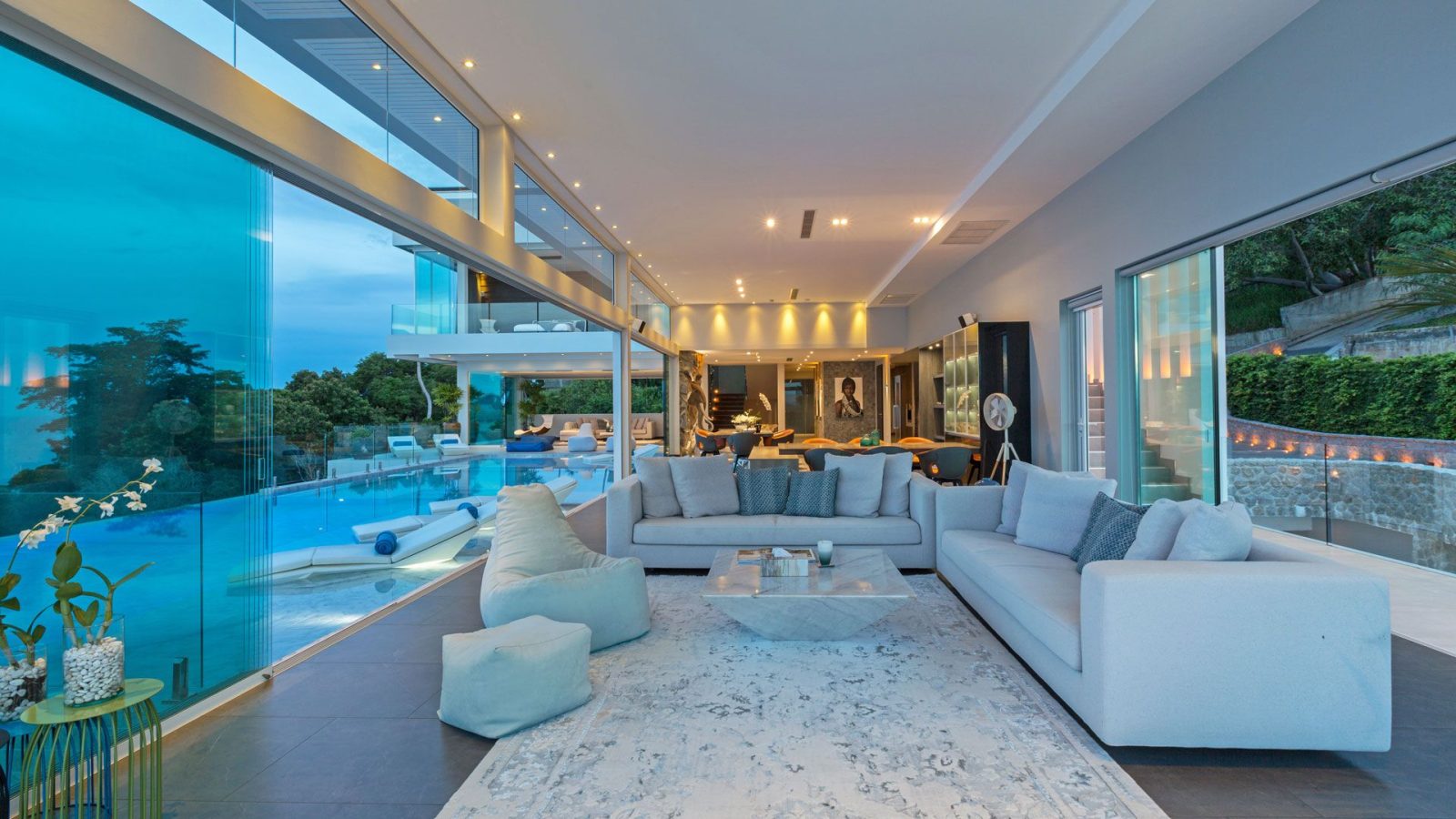
A beautiful view or impressive villa can make an immediate emotional impact, but buying luxury property in Thailand requires a much more measured assessment. Location, ownership structure, property condition, ongoing costs and the reason for purchasing should all be understood before aesthetics begin driving the decision.
Decide What The Property Is Supposed To Do
A home bought primarily for personal use should be judged differently from a property purchased as an investment. Someone looking for a holiday residence may prioritise privacy, views and proximity to beaches or restaurants, while an investor may care more about likely demand, management costs and how easily the property can be maintained between stays.
Trying to make one property serve every possible purpose can lead to compromises. A secluded villa may be ideal for private holidays but less convenient for frequent short-term guests. A centrally located condominium may be easier to manage but offer less privacy than a buyer originally imagined.
Clarifying the main objective makes the property search much more focused. It also helps buyers avoid paying a premium for features that sound appealing but provide little value for their actual plans.
Understand The Ownership And Legal Position
Property transactions abroad should involve independent professional advice. Buyers need to understand exactly what they are acquiring, what rights come with it and whether there are any restrictions or obligations attached to the ownership structure.
Title documentation, contracts, existing charges and development permissions should all be checked carefully by appropriately qualified professionals. Buyers should also understand the difference between owning a building and having rights over the underlying land where relevant to the particular transaction.
This is not an area where assumptions based on property purchases in another country are helpful. Local rules and transaction structures may work differently.
A buyer should feel able to explain the ownership arrangement in plain language before committing significant funds. If the structure remains unclear, more advice is needed.
Inspect The Property Beyond Its Appearance
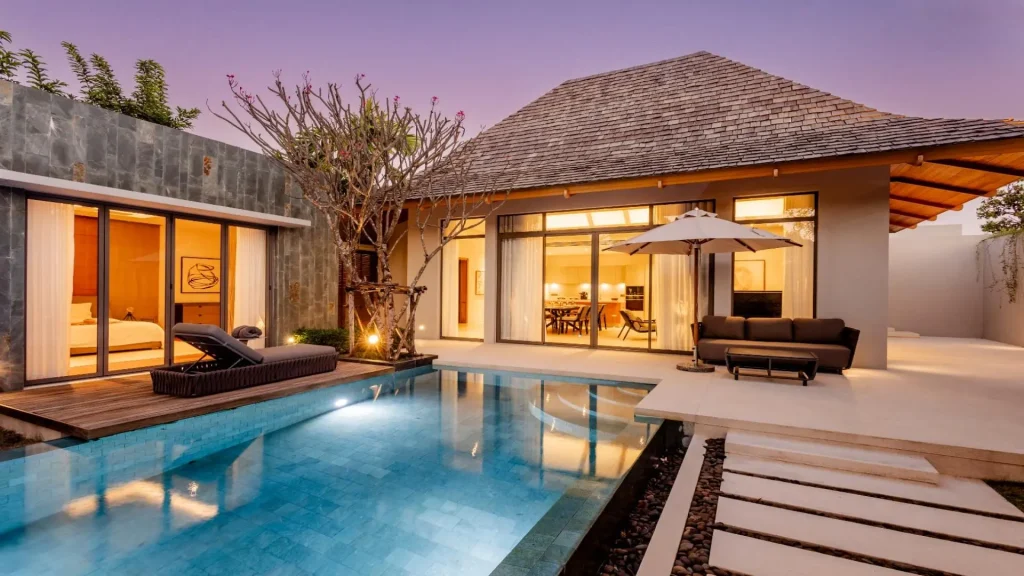
Luxury finishes can distract from practical issues. Air conditioning, water systems, drainage, roofing, windows, pool equipment and electrical installations all need to function properly, particularly in properties that may have been exposed to heat, humidity or coastal conditions.
Maintenance history is useful where available. Buyers should understand what has already been repaired, what requires regular servicing and whether major expenditure is likely in the near future.
Shared developments can introduce additional considerations. Common areas, management standards, service charges and sinking funds may all affect ownership costs and the long-term condition of the development.
An independent inspection can provide information that photographs and viewings alone cannot. The goal is to understand both the visible quality and the less obvious liabilities.
Calculate The Real Cost Of Ownership
The purchase price is only the beginning. Maintenance, management, insurance, utilities, local charges, repairs, pool or garden care and periods when the property is unoccupied can all add to the annual cost.
For investment purchases, rental assumptions should be tested carefully rather than accepting an optimistic headline yield. Occupancy can vary, management fees reduce income and maintenance costs may be higher in premium properties.
Buyers should model a conservative scenario and decide whether the numbers still make sense. If the investment only works under ideal occupancy and minimal maintenance, the margin for disappointment is small.
A high-end property should ultimately fit both the buyer’s lifestyle and finances. Taking time over legal checks, condition and ongoing costs helps separate a compelling purchase from one that simply made an excellent first impression.