


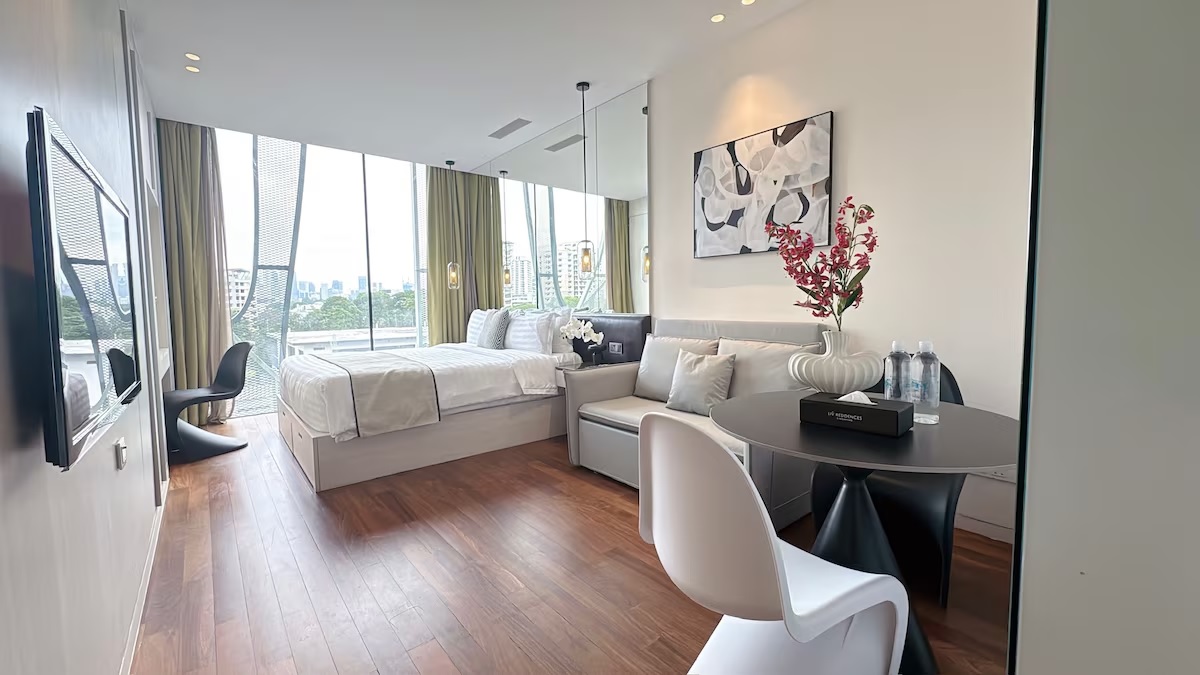
Singapore has a way of pulling people in for longer than planned. A two-year posting stretches into five, a regional role turns into a permanent base, and the rental apartment that was supposed to be a stopgap quietly becomes home. For expats juggling frequent travel across Asia, that shift raises a practical question: how do you make a leased flat feel grounded and personal while keeping it flexible enough to lock up and leave for weeks at a time?
The answer, increasingly, is a hybrid approach. Long-stay expats are treating their condos and HDB rentals less like temporary crash pads and more like travel-ready basecamps, blending light renovation, smart storage, and a handful of hospitality-style touches borrowed from the hotels they pass through every month.
Why the rental mindset is shifting
Expat tenure in Singapore has lengthened. The city-state still ranks among the world’s top destinations for international professionals, and the latest InterNations Expat Insider report continues to place it near the top for quality of life and ease of settling in. Combine that with rising rents and a tight relocation market, and the calculus changes. If you’re staying three to five years instead of one, sleeping on a landlord’s tired sofa stops making sense.
There’s also the travel pattern to consider. A regional sales lead based in River Valley might spend ten days a month in Jakarta, Ho Chi Minh City, or Tokyo. The home apartment isn’t a place to nest full-time. It needs to function like a well-run boutique hotel: easy to leave, easy to return to, low on daily friction.
Light-touch renovations landlords will actually approve
Most Singapore tenancy agreements allow cosmetic changes if the unit is restored on exit. That opens the door to a surprising amount of personalization without risking the deposit. Repainting a feature wall in a calmer tone, swapping out builder-grade light fixtures, and adding peel-and-stick backsplash tiles are common starting points.
More ambitious tenants negotiate co-funded upgrades with landlords, especially in older condos where a refreshed kitchen or bathroom benefits both parties at the next lease renewal.
Singapore-based platforms like Hometrust have become a useful starting point here, since they collect verified homeowner reviews of local interior designers and contractors who understand the rules around rented and strata-titled units. Knowing which firms handle small-scope rental refreshes well saves weeks of cold-calling.
Borrowing tricks from the hospitality playbook
Frequent travelers tend to notice what good hotels get right: blackout curtains, generous bedside lighting, deep towels, a luggage bench near the door. These details are inexpensive to replicate, and they make a rental feel intentional rather than transitional.
A few favorites circulating in expat Telegram groups and Facebook circles right now:
A dedicated drop zone by the entry with hooks, a tray for keys and SIM cards, and a charging station for travel electronics. A capsule linen set, two of everything, so laundry never collides with a redeye arrival. And a small bar cart or coffee station that turns a Sunday at home into something that feels like a staycation.
Condé Nast Traveler regularly notes how Singapore’s hotel scene sets a high bar for design detail, and that influence trickles into how residents furnish their own spaces.
Building a lock-up-and-leave system
The single biggest mindset shift for travel-heavy residents is designing the apartment to be left alone. That means hardware and habits, not just decor.
Smart plugs on lamps and the water heater, a Wi-Fi-enabled camera pointed at the front door, and a leak sensor under the kitchen sink cover most of the high-anxiety scenarios. A monthly cleaner with a key code, scheduled to come mid-trip, keeps dust and humidity from settling in. And a digital inventory of what’s in each drawer, kept in a notes app, makes it easy to ask a friend or neighbor to grab something while you’re away.
Insurance matters too. Contents coverage is cheap in Singapore and worth carrying, especially for renters who travel with laptops and camera gear.
Furniture choices that travel with you
Expats who’ve moved between three or four Asian cities tend to converge on the same furniture philosophy: buy a few good pieces, rent the rest.
A linen sofa from a Singapore maker, a solid dining table, and a quality mattress are worth shipping when the next posting comes.
Bookshelves, side tables, and the TV console are easier to pick up secondhand and pass along at the end of the lease.
Modular and lightweight wins. Pieces on casters, nesting tables, and storage ottomans all earn their keep in compact condo layouts where the living room sometimes doubles as a video-call studio at 11pm Singapore time.
The payoff
Done well, a travel-ready rental in Singapore stops feeling like someone else’s apartment with your suitcases in it. It becomes a soft landing after a long flight, a place that runs itself when you’re gone, and a backdrop you’re happy to come home to.
For expats whose calendars are stitched together from boarding passes, that’s not a luxury. It’s what makes the long stay sustainable in the first place.