


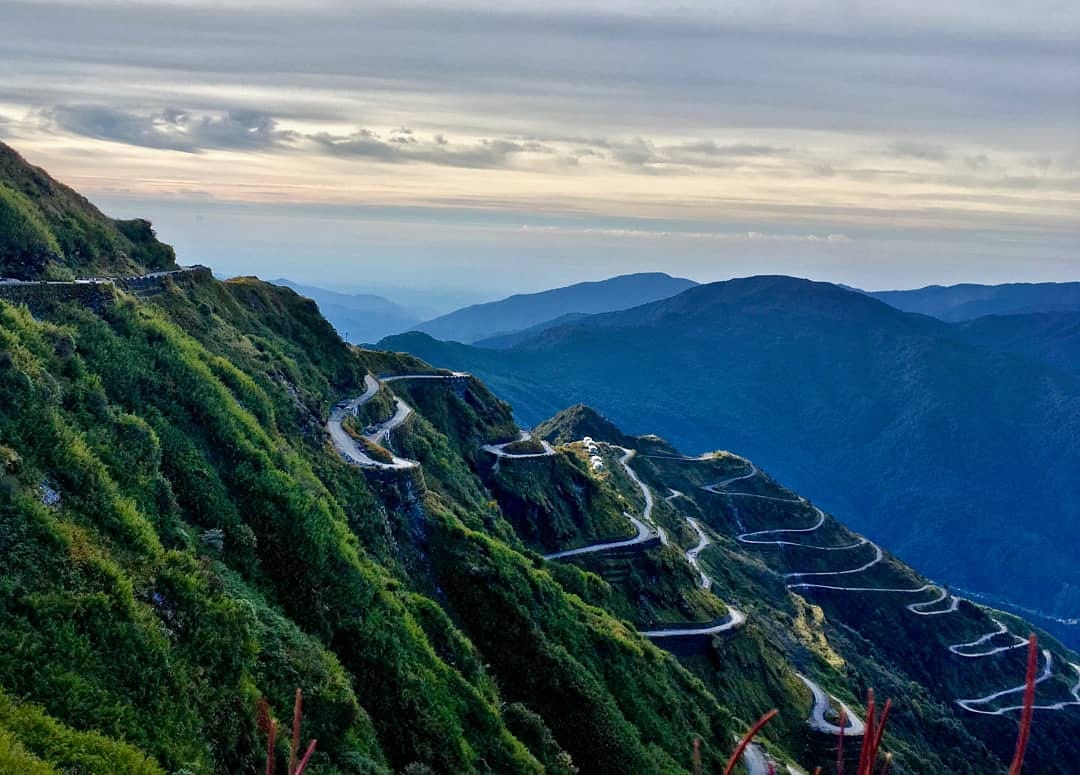
Jungle expeditions have long captured the imagination of travelers seeking adventure, mystery, and a deeper connection with nature. While popular rainforest destinations often attract large crowds and organized tours, a different kind of experience exists far beyond the usual tourist trails. These remote jungle expeditions offer raw landscapes, untouched ecosystems, and encounters with cultures and wildlife rarely seen by mainstream travelers.
For adventurers willing to step away from comfortable resorts and crowded attractions, exploring hidden jungle regions can become one of the most unforgettable journeys of a lifetime. The experience goes beyond sightseeing. It becomes a test of endurance, adaptability, curiosity, and respect for nature.
Why Travelers Are Choosing Remote Jungle Expeditions
Modern tourism has made many natural destinations more accessible, but increased accessibility often comes with commercialization. Popular jungle tours may include paved walkways, luxury lodges, and crowded observation areas that reduce the sense of discovery.
Remote jungle expeditions offer something different:
- Isolation from mass tourism
- Authentic wilderness experiences
- Greater wildlife encounters
- Cultural immersion
- Physical adventure
- Mental challenge
- Environmental awareness
Travelers seeking meaningful experiences often find that remote jungle exploration creates a stronger emotional connection with the natural world than conventional vacations.
The Allure of Untouched Rainforests
Dense jungles remain some of the least explored ecosystems on Earth. Thick vegetation, unpredictable weather, and difficult terrain make many rainforest regions inaccessible to casual visitors.
These environments are rich in biodiversity. A single section of rainforest may contain thousands of plant species, rare insects, exotic birds, reptiles, amphibians, and mammals that exist nowhere else in the world.
The sounds alone create an unforgettable atmosphere:
- Constant insect activity
- Distant animal calls
- Heavy rainfall
- Flowing jungle rivers
- Rustling leaves high in the canopy
Far from cities and tourist hubs, the jungle becomes a world governed entirely by nature.
Famous Jungle Regions Beyond the Typical Tourist Routes
Some jungle destinations remain relatively unknown compared to heavily promoted travel hotspots. These remote regions attract explorers, photographers, conservationists, and serious adventure travelers.
The Darien Gap, Panama and Colombia
The Darien Gap is one of the most rugged jungle regions in the Americas. Dense rainforest, swamps, rivers, and mountains create a challenging environment that few travelers attempt to cross.
The region is known for:
- Extreme biodiversity
- Remote indigenous communities
- Difficult trekking conditions
- Untouched rainforest ecosystems
Because of safety and logistical concerns, expeditions here require careful planning and experienced local guides.
The Congo Basin, Central Africa
The Congo Basin contains the second-largest rainforest on Earth after the Amazon. This vast jungle stretches across several African nations and supports extraordinary wildlife populations.
Travelers may encounter:
- Lowland gorillas
- Forest elephants
- Rare bird species
- Dense tropical forests
The Congo Basin offers one of the most immersive wilderness experiences available anywhere in the world.
Papua New Guinea
Papua New Guinea remains one of the planet’s most culturally and geographically isolated regions. Thick jungles cover much of the country, hiding remote villages and rugged mountain landscapes.
Expeditions often involve:
- River crossings
- Mountain trekking
- Encounters with tribal communities
- Exploration of ancient rainforest ecosystems
The country’s isolation has preserved both biodiversity and traditional cultural practices.
The Peruvian Amazon
While parts of the Amazon are heavily visited, remote areas of Peru still offer genuine off-grid jungle adventures. Travelers can venture deep into rainforest reserves accessible only by boat or small aircraft.
Wildlife sightings may include:
- Jaguars
- Pink river dolphins
- Macaws
- Sloths
- Poison dart frogs
The Peruvian Amazon also provides opportunities for guided survival training and scientific eco-tourism.
Preparing for a Remote Jungle Expedition
Jungle environments are physically demanding and unpredictable. Proper preparation is essential for both safety and comfort.
Essential Gear
Packing wisely can make a major difference during an expedition.
Important items include:
- Lightweight moisture-wicking clothing
- Waterproof boots
- Insect repellent
- Water purification systems
- First aid supplies
- Compact camping equipment
- Navigation tools
- High-energy food supplies
Humidity and rainfall can quickly damage electronics and clothing, so waterproof storage is especially important.
Physical Preparation
Jungle expeditions often involve:
- Long hiking distances
- Muddy terrain
- River crossings
- High humidity
- Heavy backpacks
- Extreme heat
Cardiovascular endurance and strength training can help travelers manage these conditions more effectively.
Mental Readiness
Remote jungle travel requires flexibility and patience. Conditions may change suddenly because of weather, wildlife activity, or transportation delays.
Successful explorers understand that discomfort is part of the experience. In many ways, the unpredictability is what makes jungle expeditions so rewarding.
Wildlife Encounters in the Jungle
One of the greatest attractions of jungle exploration is the opportunity to witness wildlife in its natural habitat. Unlike zoos or safari parks, rainforest encounters are unpredictable and entirely dependent on patience and observation.
Animals Commonly Seen During Expeditions
Depending on the region, travelers may encounter:
- Monkeys
- Tropical birds
- Snakes
- Tree frogs
- Wild cats
- Tapirs
- Crocodiles
- Insects of every size and color
Nighttime jungle walks often reveal completely different ecosystems. Many rainforest creatures become active only after sunset.
Indigenous Cultures and Remote Communities
Some of the world’s most isolated communities live within dense jungle regions. These groups have developed survival skills and cultural traditions over centuries of living in challenging environments.
Respectful cultural interaction is an important part of responsible jungle travel.
Visitors may learn about:
- Traditional hunting methods
- Medicinal plants
- Ancient storytelling traditions
- Handmade crafts
- Sustainable forest living
Authentic interactions require humility and cultural sensitivity. Ethical tourism should benefit local communities rather than exploit them.
The Challenges of Jungle Survival
Jungles can be unforgiving environments. Even experienced travelers must respect the dangers that exist in remote rainforest regions.
Common Challenges
Extreme Humidity
Constant moisture can cause exhaustion, dehydration, and skin irritation.
Navigation Difficulties
Dense vegetation often blocks visibility and makes orientation difficult.
Insects and Parasites
Mosquitoes, ticks, and other insects can spread disease.
Dangerous Wildlife
Certain snakes, spiders, and predators require caution and awareness.
Isolation
Medical assistance may be hours or even days away.
For these reasons, experienced guides are highly recommended for deep jungle expeditions.
Sustainable Jungle Tourism
As interest in adventure tourism grows, conservation has become increasingly important. Rainforests face serious threats from deforestation, mining, illegal logging, and climate change.
Responsible travelers can support preservation efforts by:
- Choosing eco-conscious tour operators
- Avoiding wildlife exploitation
- Respecting local communities
- Reducing waste
- Supporting conservation initiatives
Sustainable tourism creates economic opportunities while encouraging environmental protection.
The Psychological Impact of Jungle Exploration
Many travelers describe remote jungle expeditions as life-changing experiences. Modern life is filled with screens, schedules, and constant distractions, while the jungle demands complete presence and awareness.
Days spent deep in the rainforest often create:
- Greater mental clarity
- Reduced stress
- Increased resilience
- Appreciation for simplicity
- Stronger connection to nature
Without constant internet access or urban noise, travelers become more aware of their surroundings and themselves.
Photography Opportunities in Remote Jungles
Jungle environments offer incredible opportunities for photographers willing to work in difficult conditions.
Popular photography subjects include:
- Exotic wildlife
- Dense forest canopies
- Waterfalls
- River systems
- Indigenous cultures
- Rare plant life
Lighting conditions can change rapidly because of thick vegetation and shifting weather, making patience essential for capturing strong images.
Why These Expeditions Appeal to Modern Adventurers
Today’s travelers increasingly value experiences over luxury. Many people are no longer satisfied with predictable vacations centered around crowded attractions.
Remote jungle expeditions provide:
- Genuine adventure
- Unpredictability
- Personal growth
- Physical challenge
- Cultural learning
- Environmental awareness
For thrill seekers and nature enthusiasts, the jungle represents one of the last places where true exploration still exists.
Safety Tips for Jungle Expeditions
Safety should always remain a top priority when entering remote environments.
Important Safety Guidelines
Travel With Experienced Guides
Local knowledge is invaluable in unfamiliar terrain.
Stay Hydrated
High humidity increases the risk of dehydration.
Protect Against Insects
Use repellents, long sleeves, and mosquito nets.
Respect Wildlife
Never approach or provoke animals.
Carry Emergency Supplies
Medical kits and communication devices are essential.
Research the Region Carefully
Political instability and environmental hazards vary by location.
Proper preparation dramatically improves both safety and enjoyment during jungle travel.
Conclusion
Jungle expeditions beyond the tourist routes offer far more than ordinary travel experiences. They challenge the body, sharpen the mind, and immerse travelers in some of the most breathtaking environments on Earth. From the dense forests of the Congo Basin to the hidden waterways of the Amazon and the isolated jungles of Papua New Guinea, these adventures reveal a side of the world few people ever truly experience.
For those willing to embrace uncertainty, discomfort, and discovery, remote jungle exploration delivers something increasingly rare in modern travel: genuine adventure. The memories created in these untamed landscapes often remain with travelers long after the journey ends, shaping their perspective on nature, resilience, and the world itself.
FAQs
1. Are jungle expeditions suitable for beginners?
Some guided jungle tours are beginner-friendly, but deep remote expeditions usually require good physical fitness and preparation.
2. What vaccinations are commonly recommended before jungle travel?
Depending on the destination, travelers may need vaccinations for diseases such as yellow fever, typhoid, hepatitis, or malaria prevention medication.
3. How dangerous are jungle expeditions?
Risks vary by location, but proper planning, experienced guides, and safety precautions significantly reduce danger.
4. What is the best season for jungle expeditions?
Dry seasons are generally preferred because trails are more accessible and river conditions are safer, though timing depends on the specific region.
5. Can travelers access the internet in remote jungles?
Most deep jungle regions have little or no internet connectivity, which is part of the appeal for many travelers.
6. How long do jungle expeditions usually last?
Expeditions can range from single-day guided tours to multi-week journeys through remote rainforest regions.
7. What should travelers avoid doing in the jungle?
Visitors should avoid touching unknown plants or animals, wandering away from guides, drinking untreated water, and disturbing wildlife habitats.